
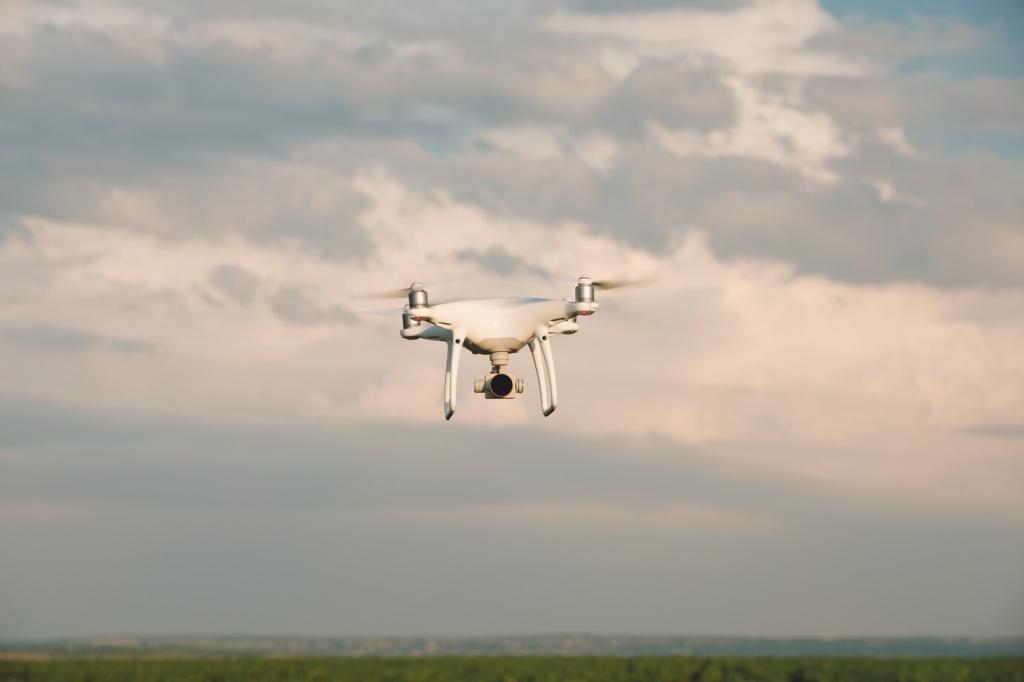
Eco‑Friendly Drone Designs: Flight With a Lighter Footprint

Chosen theme: Eco‑Friendly Drone Designs. Welcome to a space where smart engineering and stewardship meet. Together we’ll explore designs that cut emissions, reduce waste, and make every flight kinder to the planet. Share your ideas, subscribe for fresh inspiration, and help shape a cleaner sky.

Sustainable Materials That Make Drones Greener

Plant‑based polymers like PLA‑PHA blends and bio‑nylons can deliver impressive stiffness while easing eventual disposal. Reinforced with bamboo fibers or flax, these materials resist everyday knocks and reduce microplastic shedding. Tell us which bioplastics worked in your frames and where they struggled.

Designing for Energy Efficiency in the Air

Selecting lower‑tip‑speed propellers with optimized pitch and chord reduces vortex losses and noise. Thin, stiff blades hold shape at load, conserving energy during hover and cruise. Share your prop test logs and what trade‑offs you’ve seen between thrust, efficiency, and acoustic comfort.

Designing for Energy Efficiency in the Air

Rounded leading edges, tapered arms, and clean cable routing cut drag dramatically. Even small fairings around motor mounts tame messy airflow and extend flight time. Post photos of your streamlined builds and tell us how many extra minutes you gained per battery.
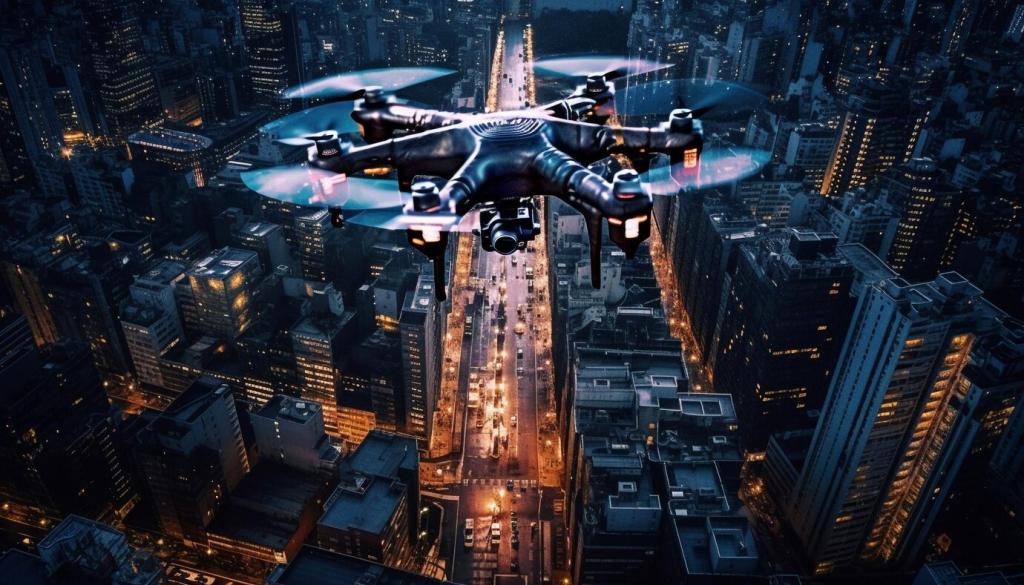
Cleaner Power: Solar, Hydrogen, and Smarter Batteries

Thin‑Film Solar That Actually Helps

Flexible, lightweight panels can trickle charge on the ground or extend loiter time in bright conditions without heavy reinforcement. Smart regulators prevent inefficiencies and protect packs. Have you mapped gains across seasons or latitudes? Share your data to guide the community’s solar choices.

Hydrogen Fuel Cells for Longer, Quieter Flights

Fuel cells deliver steady power with water as the main by‑product. Paired with lightweight tanks and good thermal management, they unlock longer missions with gentle acoustics. If you’ve trialed hybrid stacks, tell us about cold starts, humidity handling, and safe refueling practices.

Battery Lifecycles That Respect the Planet

Right‑sizing capacity, gentle charge rates, and accurate state‑of‑health logs extend pack life. Labeling cells for rotation and partnering with certified recyclers prevents landfill leakage. Share your preferred chemistry and end‑of‑life workflow so others can cut waste without sacrificing reliability.

Circularity and End‑of‑Life: Closing the Loop

Offer credits for returned airframes and refurbish viable parts for training fleets. Clear return labels and simple online forms boost participation. Do you run a take‑back scheme? Share metrics so others can replicate your eco‑friendly drone ecosystem.

Circularity and End‑of‑Life: Closing the Loop

Standard screws, labeled connectors, and adhesives only where necessary make teardown quick and safe. Color‑coding recyclable parts accelerates sorting. Post your checklist and help the community audit designs against circularity benchmarks that truly reduce waste.

Stories From the Field: When Greener Designs Change Outcomes

A team used low‑noise props, biodegradable landing pads, and constrained altitudes to survey a reed‑bed wetland. Bird counts stayed stable while imagery quality improved. Share your habitat‑friendly mapping practices so others can replicate minimal‑impact workflows.

Stories From the Field: When Greener Designs Change Outcomes

In windy highlands, a hybrid fuel cell platform cut battery swaps and noise, helping deliver temperature‑sensitive kits faster. Community meetings shaped routes and schedules. Tell us how you balance endurance, reliability, and environmental care in critical missions.
Beckykluth
Privacy Overview

This website uses cookies so that we can provide you with the best user experience possible. Cookie information is stored in your browser and performs functions such as recognising you when you return to our website and helping our team to understand which sections of the website you find most interesting and useful.