

Autonomy, Navigation, and Safety at the Edge of Space
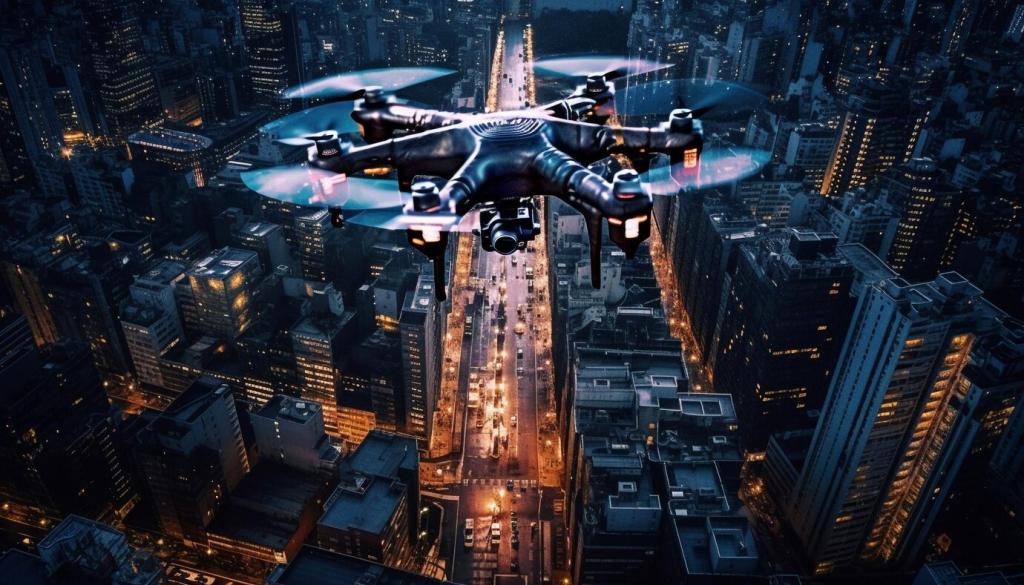
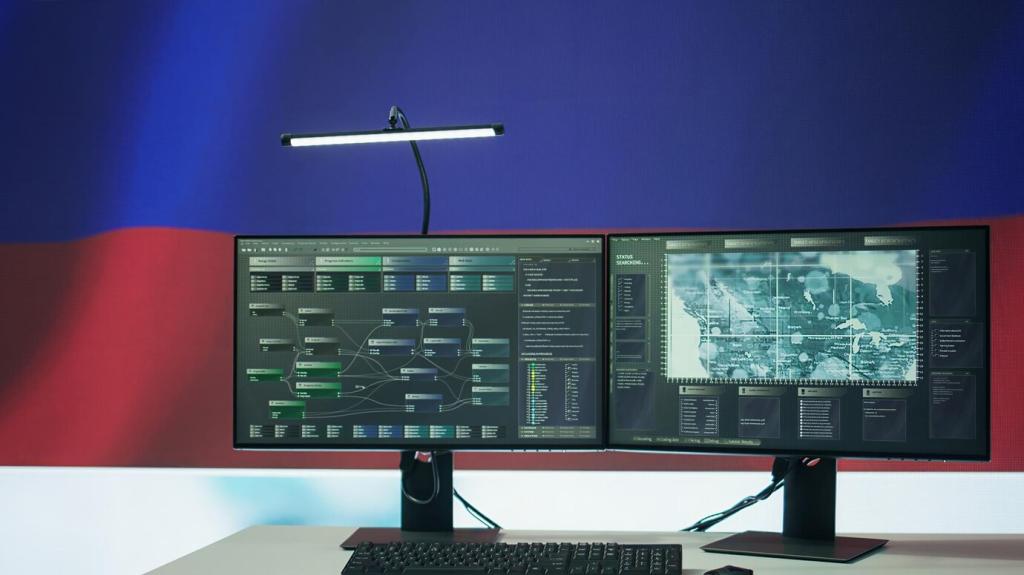
Multi-constellation GNSS, solar sensors, and inertial fusion keep navigation tight even with multipath or scintillation. The drone compares wind-drift predictions with measured groundspeed to infer jet stream behavior in real time. Tell us which navigation plots you want to see, and we’ll share annotated timelines.
Autonomy, Navigation, and Safety at the Edge of Space
Up high, traffic is rare but consequential. We blend ADS-B, cooperative relay beacons, and horizon-scanning cameras trained for glint and silhouette detection. Autonomous conflict resolution keeps buffer corridors generous. Readers requested a safety case walkthrough—subscribe to get our checklist and simulation report first.
Autonomy, Navigation, and Safety at the Edge of Space
Every mission rehearses degraded modes: lost-link loiters, energy-conserving descents, and parachute deployment over predefined safe zones. We geo-fence underflight communities and coordinate with airspace authorities. Share your thoughts on public dashboards; community visibility helps shape our next risk communication tools.