
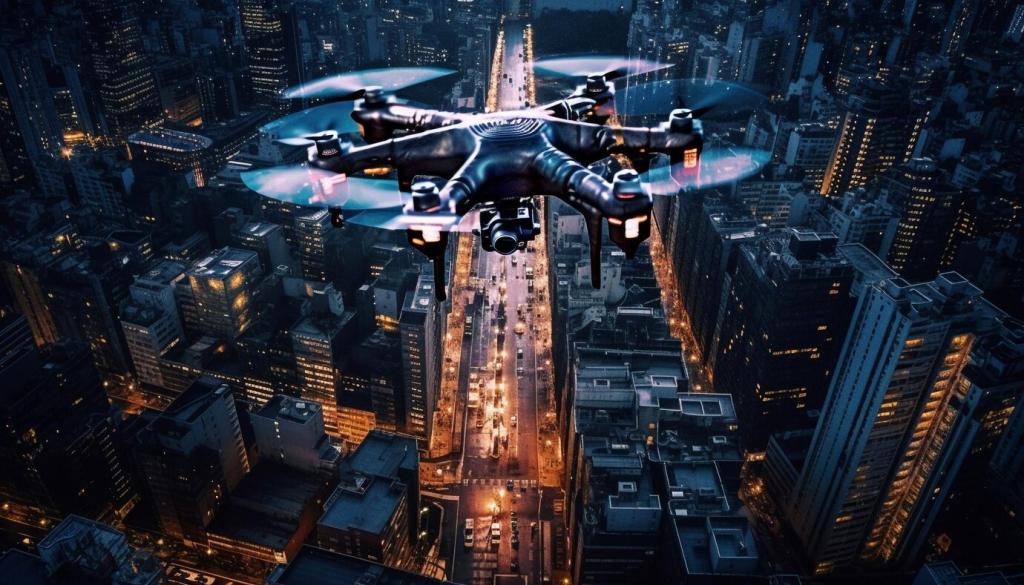

Welcome to the Next Frontier: Drone Swarm Technology

Chosen theme: Drone Swarm Technology. Step into a world where dozens of autonomous drones think together, move as one, and solve real problems faster than any single pilot could. Subscribe and join our community as we explore breakthroughs, lessons learned, and inspiring stories from the front lines of multi-robot collaboration.

From Single Pilot to Collective Intelligence
A lone drone excels at focused tasks, but swarms distribute sensing, computation, and risk. With decentralized control, each airframe follows local rules that yield global order, enabling coverage, redundancy, and speed no single vehicle can match.
The Building Blocks: Perception, Decision, Action
Swarm capabilities arise from three pillars: perception to understand neighbors and the environment, decision-making to coordinate objectives, and action to execute maneuvers safely. Balanced well, these pillars transform chaos into synchronized, purposeful motion.
A Quick Story: The Day Ten Drones Learned to Share the Sky
During a campus demo, ten micro quadcopters repeatedly collided—until we tuned their neighbor-awareness radius and collision penalties. Minutes later, elegant spirals formed overhead. Students cheered, and our inbox flooded with requests for tutorials and source code.

Coordination Algorithms That Make Swarms Work

Inspired by flocking birds, Boids-style rules—separation, alignment, cohesion—create graceful formations. Consensus protocols ensure consistent group decisions, while safety layers enforce minimum distances. Together, they enable reliable movement even in unpredictable, cluttered environments.

Communication, Sensing, and Localization

Adaptive mesh networks spread traffic across peers, while 5G brings low latency and bandwidth for dense formations. Yet silence can be strategic: event-triggered updates reduce congestion, preserving critical control signals when seconds truly matter.

Communication, Sensing, and Localization

Multiple drones fuse camera, LiDAR, and thermal data to build rich maps faster. Overlapping perspectives reduce blind spots and boost confidence. Shared occupancy grids and distributed SLAM let the team perceive hazards before they become mission-ending surprises.

Communication, Sensing, and Localization

Indoors or under canopy, visual-inertial odometry tracks motion with cameras and IMUs. Ultra-wideband anchors refine relative positioning. Combined with inter-drone ranging, swarms maintain tight formations even where satellites cannot reach or multipath ruins accuracy.

This is the heading

Lorem ipsum dolor sit amet, consectetur adipiscing elit. Ut elit tellus, luctus nec ullamcorper mattis, pulvinar dapibus leo.

This is the heading

Lorem ipsum dolor sit amet, consectetur adipiscing elit. Ut elit tellus, luctus nec ullamcorper mattis, pulvinar dapibus leo.

Choosing Affordable Platforms and Open-Source Stacks
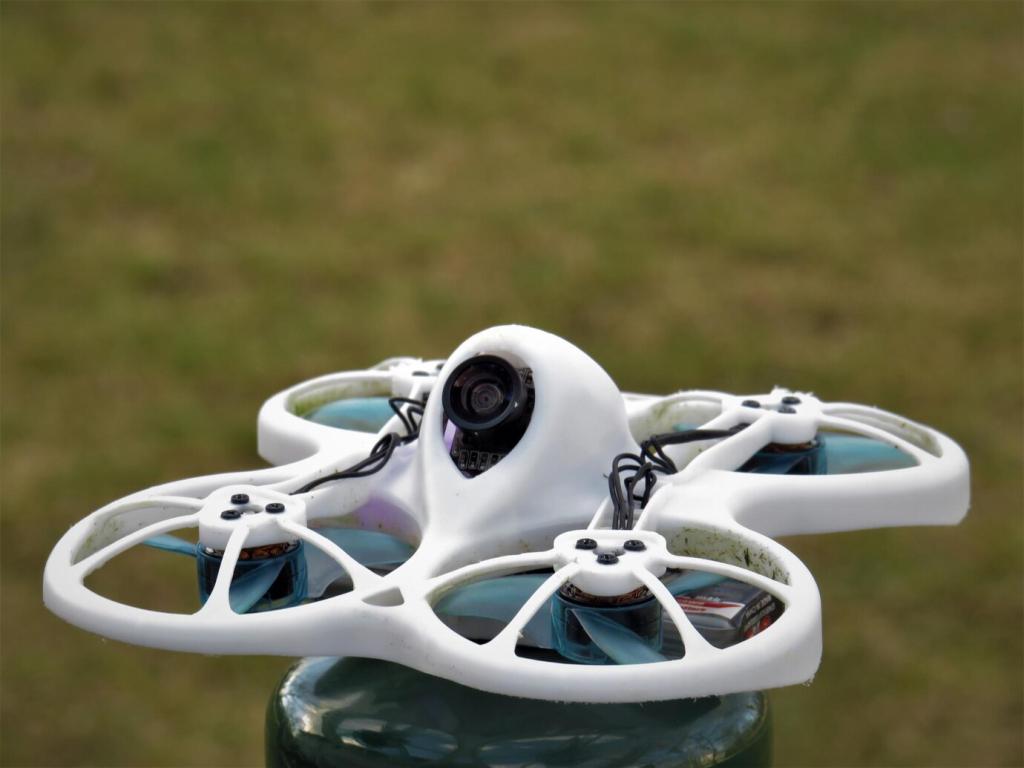
Pick micro quadcopters with prop guards, open firmware, and swappable batteries. Pair with a reliable motion capture or AprilTag setup. Use open stacks like ROS 2 and PX4, adding a lightweight swarm library to coordinate roles and formations.
A Weekend Experiment: Formation Flight Indoors
Set up a three-drone V-formation using visual markers and a simple consensus controller. Add obstacle balloons and a no-fly zone. Record telemetry, compare formation error over time, and iterate controllers until smooth, collision-free motion becomes routine.
Share Your Results and Join the Community
Publish logs, diagrams, and code snippets so others can reproduce your success. Ask questions, propose benchmarks, and collaborate on shared datasets. Subscribe to our newsletter for templates, tutorials, and monthly challenges focused on Drone Swarm Technology.

What’s Next for Drone Swarm Technology

01

Learning on the Edge: Federated and Onboard AI

Swarms will learn from experience without central servers. Federated updates refine policies while keeping data local. Onboard accelerators enable real-time perception and planning, making collective decisions faster and more robust in dynamic environments.
02

Bio-Inspired Behaviors and Morphing Formations

Nature teaches adaptability. Future swarms may morph shapes mid-flight for wind, visibility, or sensor coverage. Bee-like recruitment, fish-school evasion, and ant-style trail optimization could unlock agile, energy-efficient behavior never seen in today’s formations.
03

Get Involved: Challenges, Datasets, and Open Problems

Join open competitions, contribute to multi-view datasets, and tackle unsolved issues like scalable conflict resolution and contested-spectrum resilience. Comment with your interests, and we’ll match you to resources, mentors, and upcoming Drone Swarm Technology events.
Beckykluth
Privacy Overview

This website uses cookies so that we can provide you with the best user experience possible. Cookie information is stored in your browser and performs functions such as recognising you when you return to our website and helping our team to understand which sections of the website you find most interesting and useful.