
Innovative Agricultural Drones: Reimagining Fields from the Sky
Today’s chosen theme: Innovative Agricultural Drones. Explore how smart aerial tools help farms see sooner, act faster, and grow better. Join the conversation, share your field challenges, and subscribe for stories, guides, and fresh insights from the cutting edge of ag-tech.
From Field to Flight: Why Innovative Agricultural Drones Matter
A New Lens on Crops
Multispectral maps reveal stress long before it is visible to the naked eye, highlighting nutrient gaps, drought patches, and pest hotspots. Seeing early means saving yield. If you could scan one problem area first, where would your drone fly and why? Tell us below and inspire others.
Closing the Labor Gap
When crews are stretched thin, drones scout acres quickly, flagging issues for targeted action rather than blanket passes. One vegetable grower told us a single flight replaced a full day of walking rows after rain, catching standing water that would have been missed otherwise.
Data That Decides
Drones translate imagery into decisions—spray where needed, skip where healthy, and prioritize fields that matter most this week. Clear, timestamped maps create accountability and confidence. Do you already use data for planning? Share your best turnaround story and help another farmer learn faster.


Core Technologies Powering Smart Farm Flight
NDVI and related vegetation indices translate light bands into crop vitality maps, while thermal cameras reveal irrigation leaks and water stress. In orchards, canopy temperature spikes pinpoint blocked emitters. Which sensor would transform your operation first—multispectral for vigor or thermal for moisture?
Core Technologies Powering Smart Farm Flight
Centimeter-level positioning from RTK or PPK keeps flight lines consistent, even on slopes or around treelines. Terrain following maintains altitude over rolling ground, protecting spray uniformity. Share your most challenging topography and we’ll suggest flight patterns that balance accuracy, safety, and battery life.

Know Your Airspace and Rules
Learn the regulations where you fly—FAA Part 107 in the United States, EASA categories in the European Union, and local requirements elsewhere. Keep records, plan flights, and mind line-of-sight. What certifications or training boosted your confidence most? Recommend resources new pilots should consider today.
Batteries, Weather, and Redundancy
Cold temperatures reduce battery performance, while heat stresses payloads and electronics. Establish preflight checklists, carry spares, and set conservative return-to-home thresholds. Gusty winds? Shorten missions and increase overlap. Drop a comment with your best battery-care routine to help others fly more safely.
Neighbor and Wildlife Considerations
Respect boundaries by notifying nearby landowners, choosing quieter periods, and avoiding sensitive habitats. Calibrate routes to reduce noise near homes and livestock. Have you found communication strategies that ease concerns? Share a template message or sign you use to keep everyone informed and comfortable.
Real-World Wins: Stories from the Field
Following heavy rain, a quick drone flight revealed pooling and lodging risk in a low corner previously overlooked. Targeted drainage and a follow-up pass prevented disease from spreading, salvaging a substantial portion of the yield. Have you mapped storm impacts? Tell us what you changed next.
An orchard team used bloom-density maps to position hives more effectively, balancing pollinator pressure across rows. The next season, fruit set was noticeably more uniform. If you manage perennial crops, would bloom or canopy density mapping help your decisions? Share your biggest perennial challenge.
In humid paddies, evening flights reduced glare and wind, producing cleaner thermal imagery for water-level checks. The team adjusted gates and prevented wasteful overflows, saving labor and inputs. What time of day has given you the best data? Compare notes with fellow night and dawn flyers.
Autonomy, Swarms, and Interoperability
Expect fleets coordinating tasks, standard APIs syncing imagery with sprayers and spreaders, and predictive models informing routes before issues emerge. Remote ID and better detect-and-avoid will improve trust. Which integration matters most to you—variable-rate exports, equipment telematics, or shared maps? Cast your vote below.
Choosing Your First Ag Drone
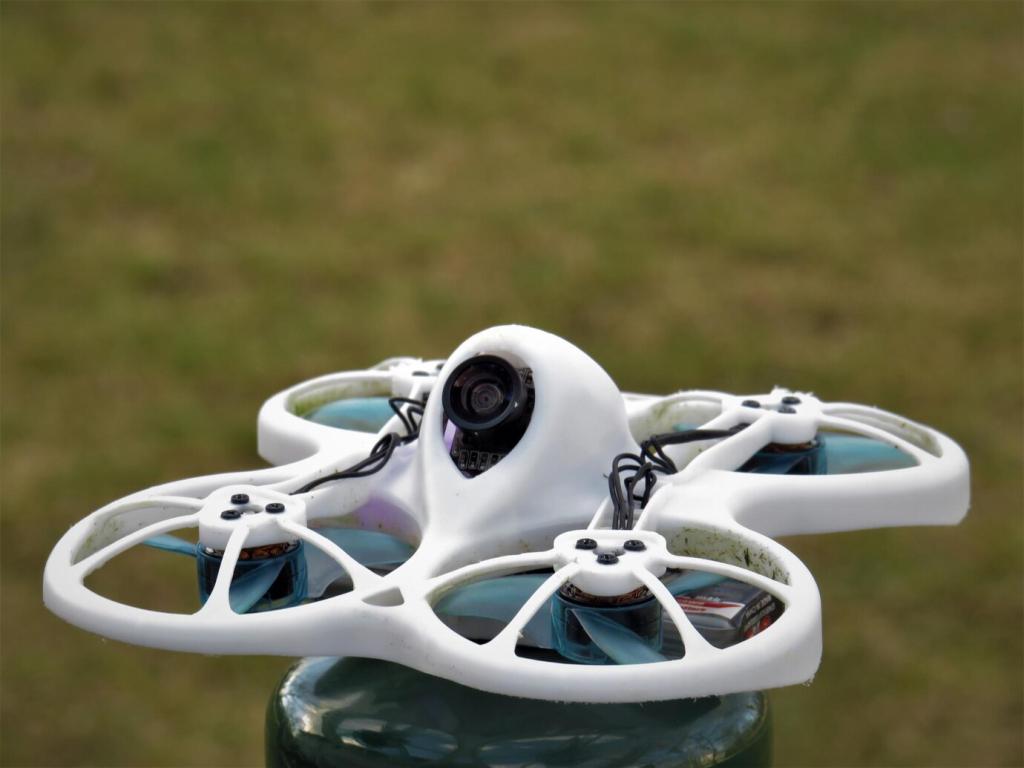
Match payload to your mission: mapping sensors for scouting, larger tanks for application, endurance for big fields, and strong dealer support for uptime. Try a demo day before buying. What’s your acreage, crop mix, and top constraint—budget, batteries, or training? Comment and we’ll suggest options.
Learn, Share, Subscribe
We publish practical guides, field reports, and farmer-led tips on innovative agricultural drones. Subscribe for weekly insights, ask questions in the comments, and share one drone project you want to complete this season. Your idea might become our next how-to story for the community.